
AUTHORIZED
TRAINING CENTER
As an authorized training partner of Kaspersky, 2B Academy delivers official ATC programs based on Kaspersky’s global training framework.
These courses are designed around real cybersecurity operations — focusing on how threats are detected, analyzed, and handled in actual environments, not just theory.
All ATC programs combine instructor-led sessions with hands-on labs and follow Kaspersky’s certified curriculum.
5. Industrial & Specialized Security
Kaspersky Industrial CyberSecurity
Module 1: Introduction to Industrial CyberSecurity
- Difference between IT and OT environments
- Overview of Industrial Control Systems (ICS)
- SCADA, DCS, PLC basics
- Cyber threats targeting critical infrastructure
- Real-world attack case studies
Module 2: ICS/OT Architecture & Protocols
- Industrial network architecture
- Purdue Model (levels of industrial networks)
- Industrial protocols (Modbus, OPC, DNP3)
- Communication flows in OT environments
Module 3: Kaspersky Industrial CyberSecurity Overview
- Platform components and architecture
- Network monitoring and asset discovery
- Integration with existing industrial systems
- Visibility across OT networks
Module 4: Asset Discovery & Risk Assessment
- Identifying industrial assets
- Passive network monitoring
- Risk assessment and vulnerability identification
- Asset classification and inventory management
Module 5: Threat Detection in OT Environments
- Detecting anomalies in industrial traffic
- Behavioral analysis for ICS
- Signature-based vs anomaly-based detection
- Identifying unauthorized access and commands
Module 6: Endpoint Protection for Industrial Systems
- Securing industrial endpoints (HMI, engineering stations)
- Anti-malware protection in OT
- Application control and whitelisting
- Patch management strategies
Module 7: Network Segmentation & Access Control
- Designing secure industrial zones
- Firewall and segmentation strategies
- Remote access security
- Zero Trust concepts in OT
Module 8: Incident Detection & Response
- Incident handling in ICS environments
- Attack containment strategies
- Root cause analysis
- Recovery and system restoration
Module 9: Compliance & Industrial Standards
- Industrial cybersecurity standards (IEC 62443 basics)
- Risk management frameworks
- Regulatory compliance in critical infrastructure
- Security audits and reporting
Module 10: Monitoring, Reporting & Maintenance
- Real-time monitoring dashboards
- Event logging and alerting
- Reporting for stakeholders
- Maintenance and system optimization
Kaspersky Container Security
Module 1: Introduction to Container Security
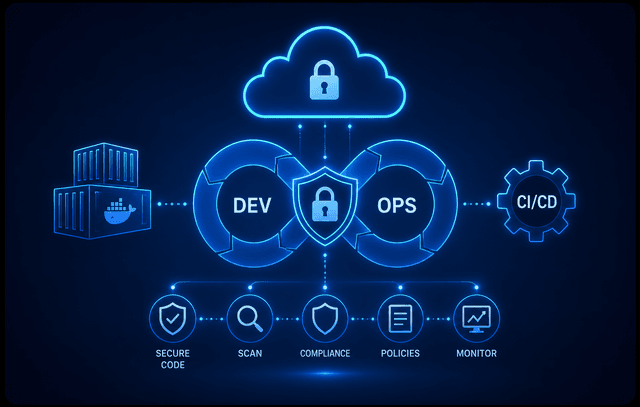
- Basics of containers (Docker, Kubernetes overview)
- Difference between VMs and containers
- Security challenges in containerized environments
- Common attack vectors (image vulnerabilities, runtime exploits)
Module 2: Cloud-Native Architecture & DevSecOps
- Microservices architecture
- CI/CD pipelines and integration points
- DevSecOps principles
- Shift-left security approach
Module 3: Kaspersky Container Security Overview
- Platform architecture and components
- Integration with container orchestration platforms
- Security across build, deploy, and runtime stages
- Visibility into container environments
Module 4: Image Security & Vulnerability Scanning
- Container image scanning
- Identifying vulnerabilities and misconfigurations
- Registry integration (Docker Hub, private registries)
- Risk prioritization and remediation
Module 5: Kubernetes Security
- Kubernetes architecture basics
- Securing clusters and nodes
- Role-Based Access Control (RBAC)
- Namespace and network policies
Module 6: Runtime Protection
- Monitoring container behavior
- Detecting anomalies and suspicious activity
- Process and file activity control
- Preventing unauthorized access
Module 7: Network Security for Containers
- Container network segmentation
- Secure communication between services
- Service mesh basics
- Encryption and secure APIs
Module 8: Policy Management & Compliance
- Defining security policies
- Compliance checks (CIS benchmarks basics)
- Access control and identity management
- Governance across environments
Module 9: Incident Detection & Response
- Detecting container-based attacks
- Investigating security events
- Incident response workflows
- Threat containment strategies
Module 10: Monitoring, Logging & Optimization
- Centralized logging and monitoring
- Dashboard and alert management
- Performance optimization
- Troubleshooting container security issues