
ADVANCED
SECURITY
COURSES
As cyber threats continue to evolve in complexity, organizations require professionals who can go beyond basic protection and actively detect, investigate, and respond to advanced attacks. Our Advanced Security Courses are designed around real-world enterprise environments, focusing on threat intelligence, incident response, cloud security, and modern infrastructure protection.
Overview
These programs follow Kaspersky's advanced training approach, combining deep technical understanding with hands-on operational skills.
These courses are best suited for individuals who already understand the basics and want to move into advanced roles in security operations and threat management.
Who It's For
Cybersecurity professionals looking to upskill
SOC analysts and security engineers
Network and system administrators
Cloud and DevOps professionals
Students with prior knowledge in cybersecurity

2. Cloud, Container & DevSecOps Security
Kaspersky Hybrid Cloud Security
Module 1: Introduction to Hybrid Cloud Security
- Hybrid cloud architecture (on-prem + cloud integration)
- Security challenges in multi-cloud environments
- Shared responsibility model (AWS, Azure basics)
- Overview of Kaspersky Hybrid Cloud Security
Module 2: Deployment Architecture
- Integration with Kaspersky Security Center
- Agent-based vs agentless deployment
- Designing scalable security architecture
- Network segmentation and security zones
Module 3: Protection for Virtual Machines
- Security for virtual workloads
- Light Agent architecture
- Resource optimization in virtual environments
- Integration with hypervisors
Module 4: Public Cloud Security
- Securing workloads on AWS & Microsoft Azure
- Instance protection and configuration
- Cloud workload monitoring
- Threat detection in cloud environments
Module 5: Container & Kubernetes Security (Introduction)
- Basics of container security
- Kubernetes threat landscape
- Runtime protection fundamentals
- Image vulnerability scanning
Module 6: Security Policies & Controls
- Policy management across hybrid environments
- Access control and identity security
- Network traffic control
- Encryption and secure communication
Module 7: Monitoring & Incident Management
- Centralized monitoring via Kaspersky console
- Alerts, dashboards, and reporting
- Incident detection and response workflows
- Log analysis and threat visibility
Module 8: Compliance & Best Practices
- Regulatory compliance (GDPR basics, ISO concepts)
- Cloud security best practices
- Risk management strategies
- Backup and disaster recovery
Kaspersky Container Security
Module 1: Introduction to Container Security
- Basics of containers (Docker, Kubernetes overview)
- Difference between virtual machines and containers
- Security challenges in containerized environments
- Common attack vectors (image vulnerabilities, runtime exploits)
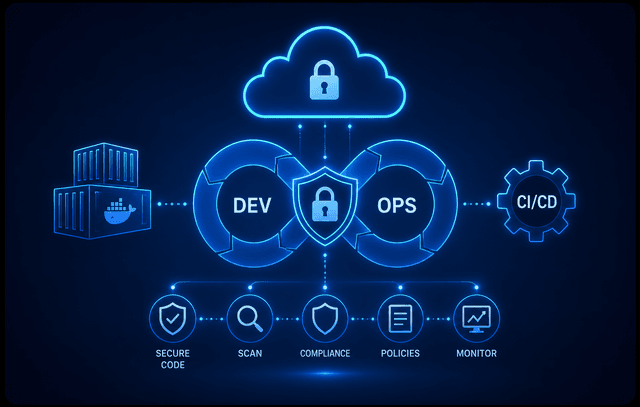
Module 2: Cloud-Native Architecture & DevSecOps
- Microservices architecture
- CI/CD pipelines and integration points
- DevSecOps principles
- Shift-left security approach
Module 3: Kaspersky Container Security Overview
- Platform architecture and components
- Integration with container orchestration platforms
- Security across build, deploy, and runtime stages
- Visibility into container environments
Module 4: Image Security & Vulnerability Scanning
- Container image scanning
- Identifying vulnerabilities and misconfigurations
- Registry integration (Docker Hub, private registries)
- Risk prioritization and remediation
Module 5: Kubernetes Security
- Kubernetes architecture basics
- Securing clusters and nodes
- Role-Based Access Control (RBAC)
- Namespace and network policies
Module 6: Runtime Protection
- Monitoring container behavior
- Detecting anomalies and suspicious activity
- Process and file activity control
- Preventing unauthorized access
Module 7: Network Security for Containers
- Container network segmentation
- Secure communication between services
- Service mesh basics
- Encryption and secure APIs
Module 8: Policy Management & Compliance
- Defining security policies
- Compliance checks (CIS benchmarks basics)
- Access control and identity management
- Governance across environments
Module 9: Incident Detection & Response
- Detecting container-based attacks
- Investigating security events
- Incident response workflows
- Threat containment strategies
Module 10: Monitoring, Logging & Optimization
- Centralized logging and monitoring
- Dashboard and alert management
- Performance optimization
- Troubleshooting container security issues
What You'll Learn
Securing hybrid and multi-cloud environments
Container and Kubernetes security
DevSecOps integration and pipeline security
Cloud workload protection
Runtime monitoring and threat detection
Program Structure
Concept clarity with real-world context
Hands-on labs and simulations
Case-based learning (real attack scenarios)
Tools and platform-based training
Instructor-led sessions with expert guidance
Learning Approach
Designed to combine technical understanding with practical implementation through guided learning experiences.
Practical and scenario-driven training
Focus on real enterprise use cases
Exposure to industry tools and workflows
Interactive sessions with problem-solving exercises
Outcome
Participants will gain practical capabilities required to detect, investigate, and respond to modern cybersecurity threats.
Detect and analyze complex cyber threats
Investigate incidents across systems and networks
Implement advanced security solutions
Work in SOC, cloud security, and incident response roles
Handle real-world cybersecurity challenges confidently